Use regions as a starting point
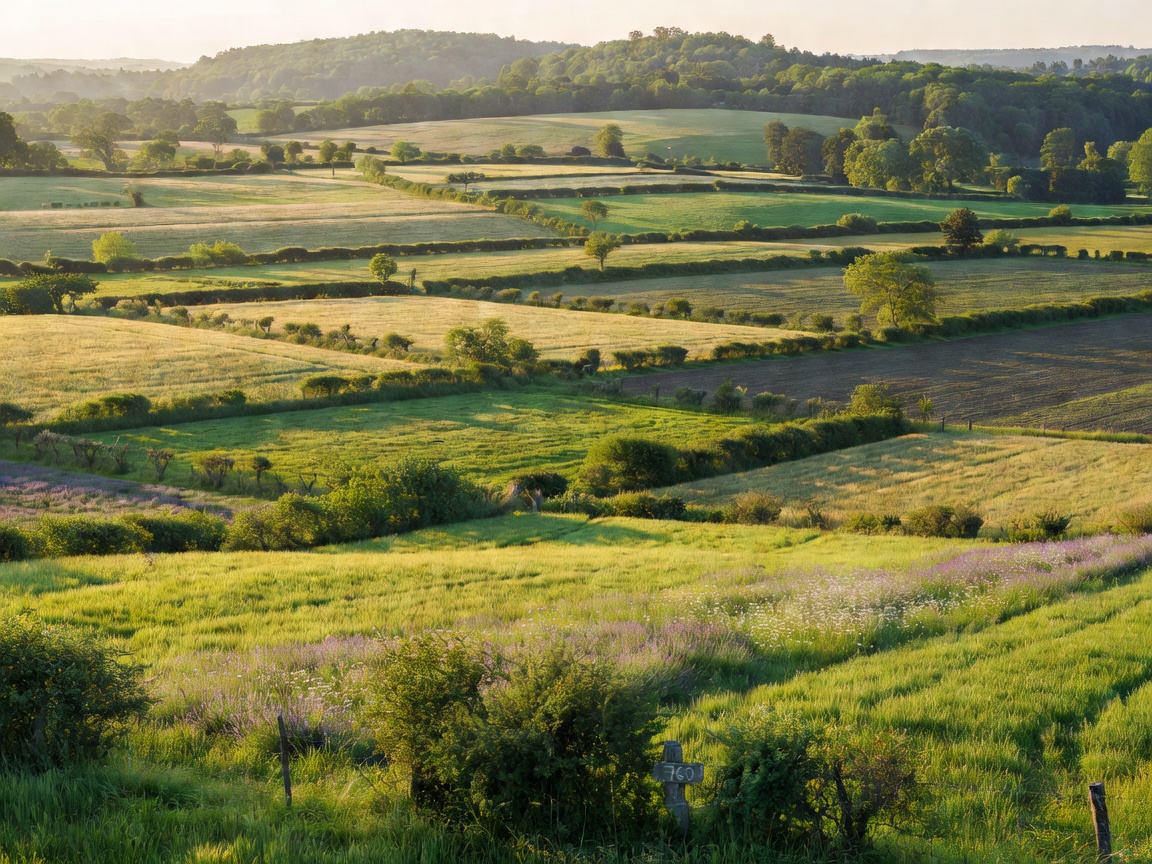
Regional names help organize a trip, but they do not describe a single uniform landscape. Terrain, building materials and settlement patterns can change within a short distance. A coastal area differs from an inland plateau; a river corridor differs from a wooded upland. Choose a broad area for its general character, then assess the exact accommodation and route. This avoids treating a familiar image as a complete description of a region.
Provence and Occitanie
Provence includes varied terrain, from inland hills and plateaus to lower agricultural areas and coastal surroundings. Stone, rendered walls, shutters and terracotta can appear in different combinations. Summer conditions may require attention to shade, water and indoor cooling, but local weather varies. Verify property facilities rather than assuming that an old stone building will remain comfortable in every season.
Occitanie is a large region with Mediterranean-influenced areas, mountain country, river valleys and inland plains. Rural architecture and agriculture vary accordingly. A stay near the coast is not equivalent to an inland village or upland property. Consider travel distances carefully, and select a base around the activities and landscape you want to reach.
Dordogne and Nouvelle-Aquitaine
The Dordogne is associated with river valleys, wooded countryside and limestone landscapes in parts of the department. Rural settlements, farm buildings and agricultural land shape different local environments. The broader Nouvelle-Aquitaine region also includes Atlantic-influenced areas, plains, forests, wine country and coastal settings. Do not assume that a single accommodation base provides easy access across this large area.
Look at the routes between villages and services, not only straight-line distance. A rural house may be close to a market town on a map while still requiring a car for everyday travel. For walking or cycling, check terrain and road conditions through current local information.
Loire Valley and Burgundy
The Loire Valley follows a major river corridor through changing landscapes and settlements. Castles, towns, farmland and vineyards form part of a broad cultural and geographic setting, but local experiences depend on where a stay sits. River access, cycling routes and rail connections should be checked for the precise location and season.
Burgundy includes vineyard slopes, agricultural plains, wooded land and historic towns. Stone buildings and village forms differ across its subregions. For a vineyard-based stay, establish whether it is in a village, among vines or simply within the wider wine-producing area. Transport between dispersed places is an important planning question.
Normandy, Brittany and the north
Normandy encompasses coastal, river and inland agricultural landscapes. Rural buildings vary with local materials and history; brick, stone, timber framing and rendered surfaces occur in different combinations. Weather can shift, so pack for change and check outdoor plans close to departure. A countryside itinerary can pair a rural base with towns or coast, but road and rail logistics need individual review.
Brittany has a distinct peninsula setting, with coastal edges, inland farmland and settlements shaped by local history. Granite and other regional materials appear in built environments. Conditions vary between exposed coast and sheltered inland places. The region’s scale and transport connections matter when selecting a single base.
Auvergne and Alsace
Auvergne includes volcanic uplands, broad valleys and rural settlements at differing elevations. The terrain can affect driving, walking and the choice of season. Check elevation, access and heating details for a particular property. Alsace sits along the Rhine plain and the foothills of the Vosges, with a built heritage that reflects its position and history. Timber framing is visible in some towns and villages, while rural landscapes include vineyards, plains and forested slopes.
These distinctions are useful but never absolute. Nearby settlements may have different materials, topography and services. Consider the exact village, altitude, route and daily needs before settling on an itinerary.
Compare by practical character
Make a simple shortlist using five factors: landscape, building type, climate expectations, distance between destinations and access without a car. Add any specific interests, such as vineyards, rivers, gardens or historic villages. Then map realistic travel days. A region that looks compact on a national map may involve slow local roads or several transport changes. Do not try to cover too much from one rural base.
Good for
This comparison helps travellers who have not chosen a departure area, or who want to match a stay to architecture and landscape interests. It also helps build a more realistic route when combining a city or rail arrival with a rural portion of a trip.
What to know
Regional descriptions are broad context, not current travel advice. Climate, services, transport and access change at local scale. Confirm present arrangements directly, and select accommodation using its specific address and features.