Start with the type of stay
French countryside accommodation ranges from converted farm buildings and independent country houses to small guest properties and private rooms within an occupied home. These formats differ in privacy, service and daily rhythm. A whole-house rental may suit a group that wants a kitchen and shared living area. A private room can reduce the need to manage a building, but it may involve shared spaces or host-set routines. Small guest properties sit between those models. Read the description for what is included rather than relying on a category label.
Ask how many bedrooms are inside the reserved unit, whether bathrooms are private, and which outdoor areas are shared. For a converted agricultural building, look for notes on ceiling height, stairs, cooling and sound separation. Photos can show character, but a floor plan or clear written layout is more useful for assessing movement between rooms.
Privacy, access and practical facilities
Privacy is shaped by more than distance from the nearest road. Check whether the entrance, terrace, pool or garden is shared. If travelling with children, a group or someone who needs a quiet room, confirm the relationship between sleeping areas and common rooms. For longer stays, kitchen equipment, laundry arrangements, heating and reliable internet may matter more than decorative details.
Access needs equal attention. Rural addresses can sit outside a village centre, and the final stretch may not be served by public transport. Check the nearest rail station, onward options and whether the host or property information explains the approach. Do not assume that a short map distance means an easy walk. Terrain, road lighting, luggage and local services change the practical picture. If driving is not an option, establish how food shopping and everyday errands can be handled.
Compare the building with your needs
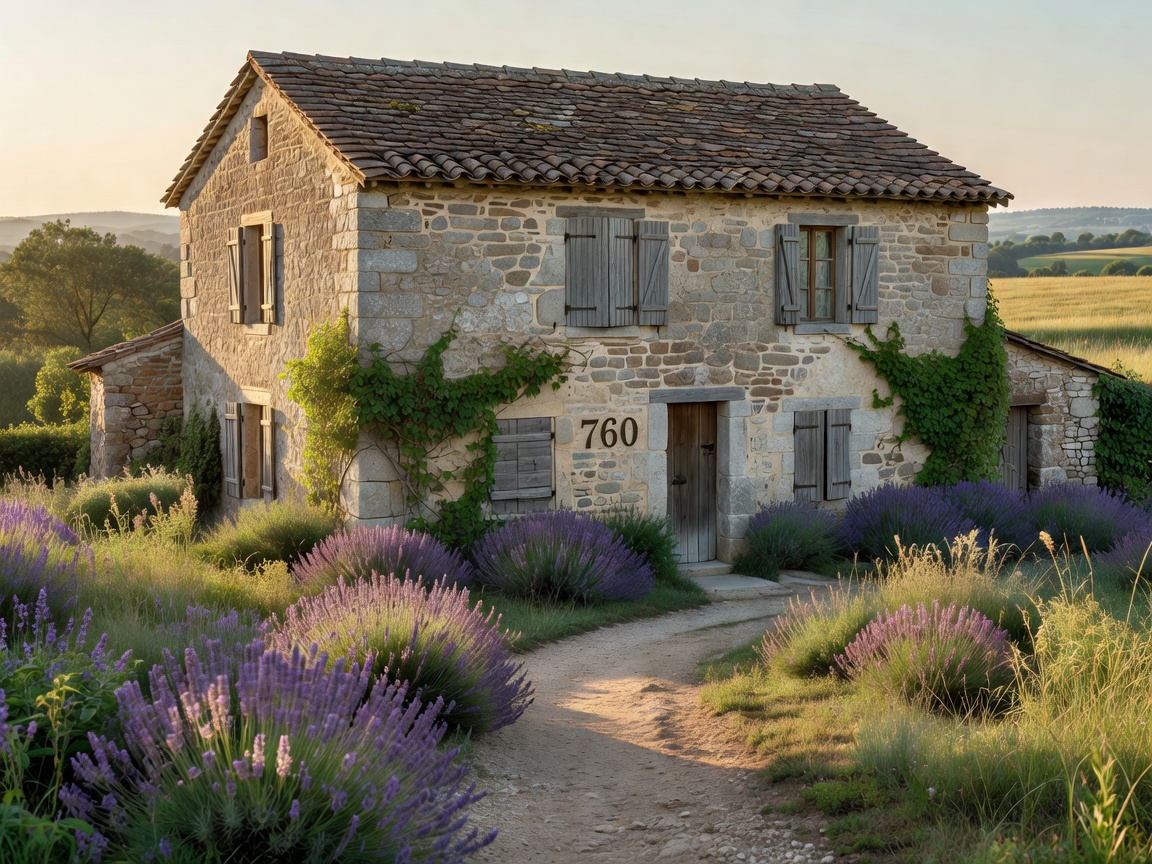
Stone farmhouses often have thick masonry and rooms arranged around a compact footprint or courtyard. Converted barns may offer larger open-plan spaces, but also high ceilings and exposed structure. Country houses can provide several distinct rooms and gardens, yet require more attention to stairs, heating zones and the distance between bedrooms. These are tendencies, not guarantees. Renovation choices and later additions make each building different.
Look for clear information about bathrooms, bedroom access, steps, thresholds and parking. Ask whether a fireplace is decorative or available for use, and whether heating is provided throughout the property. A historic appearance does not establish modern accessibility. If a particular feature is essential, seek explicit written confirmation before committing.
Season and regional setting
Season affects more than temperature. Daylight, rainfall and the operating pattern of local services can change the experience of a rural base. A property with outdoor dining space may be most useful when evenings are comfortable; a well-equipped kitchen matters more when nearby options are limited. Before travelling, check current opening information directly with any service you intend to use.
Consider the wider landscape too. A village-edge stay offers different access from a vineyard lane or an isolated farm. In the Loire Valley, the accommodation may sit among river corridors and agricultural plains; in parts of Provence, settlement and terrain vary between inland villages and open agricultural land. Regional context helps narrow the search, but the property’s exact location remains decisive.
Make a short, useful comparison
Compare potential stays using the same checklist: unit type, sleeping layout, bathroom arrangement, privacy, road or rail access, food-shopping options, heating or cooling information, and any steps or restrictions. Separate essentials from preferences. If travelling with several people, assign someone to verify the layout and another to review the route. Save the address and arrival instructions for offline use where practical. Ask direct questions early; vague assumptions are harder to fix after arrival.
Good for
Independent stays suit travellers who value space, regional character and control over daily routines. A whole house can work well for a family or a small group sharing meals. A private room may fit a shorter visit where independent cooking is not central. Converted buildings can appeal to visitors interested in rural materials and reuse. Match the format to the actual group, not to a romantic idea of the countryside.
What to know
“Rural” does not mean remote, and “private” does not always mean exclusive use of every garden or facility. Confirm boundaries, shared areas, access arrangements and the exact accommodation included. No property type guarantees quiet, accessibility or particular amenities. Use current information from the owner or provider for the specific stay, and keep a practical alternative for transport and meals.
Related field guides
Vineyard retreats · Rural architecture and interiors · Countryside trip planning